

If you’re purchasing cookware for your family and consumer science kitchens, you might be overwhelmed by all the choices of materials and coatings that are available. While each type of cookware has its own benefits, stainless steel offers a sturdy choice that resists rust, has excellent heat retention, and can be used on all heating sources. Keep reading to learn more about how to use and care for stainless steel cookware so your students can create delicious meals with confidence and ease.
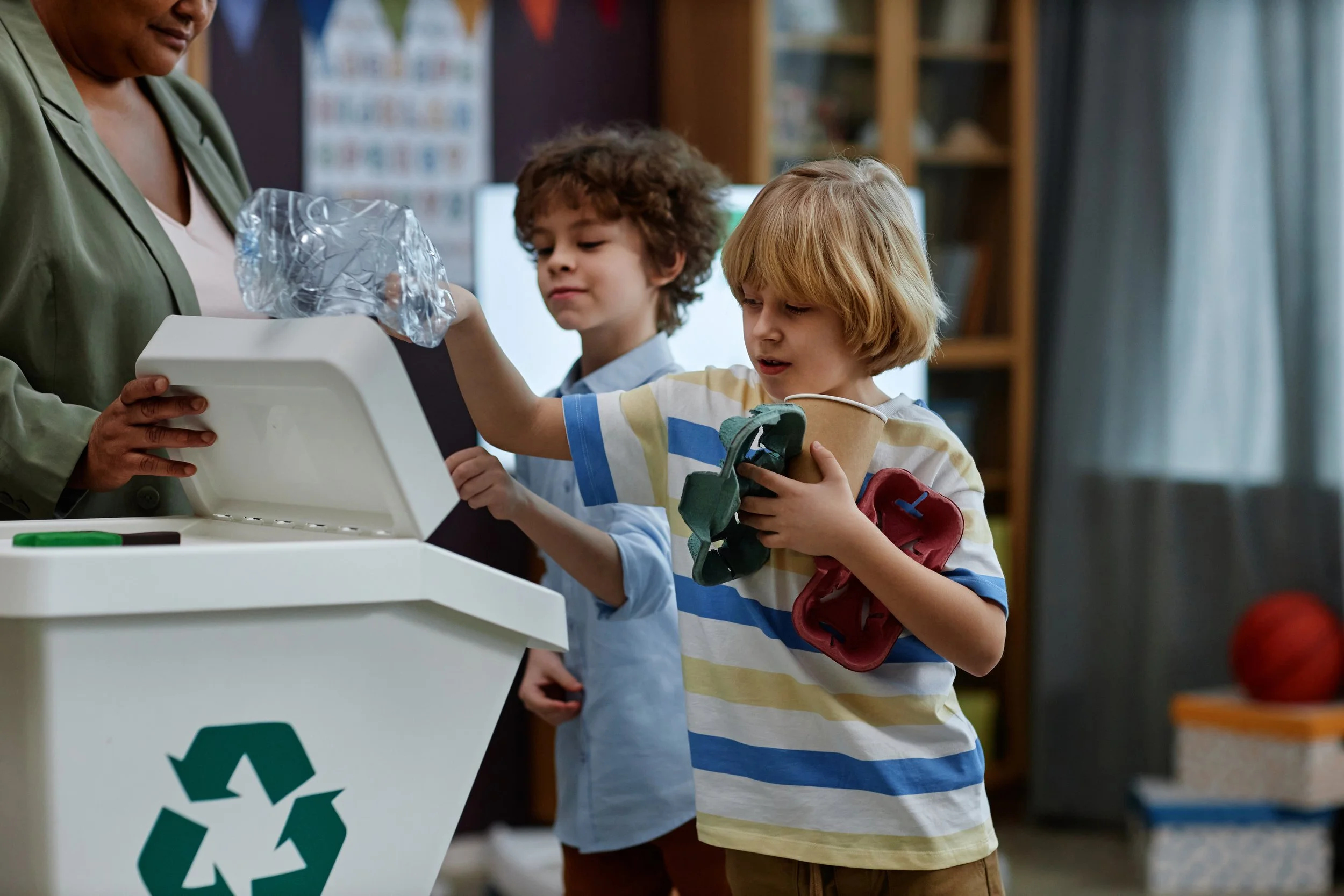
Boosting Recycling at Your School
Any organization, including schools, produces tons of waste. A study from Minnesota found that nearly 80% of all waste generated by a school could be recycled or composted. Teaching students how to manage resources responsibly is a great way to start promoting sustainability. In this article, we’ll explore how to enhance recycling efforts in your school, benefiting both students and staff now and in the future.
Students Learn Better in Active, Flexible Classrooms - By Amy Uelmen at Demco
In education, we know that many factors can lead to improved student learning in the classroom such as a strong universal curriculum, connections with teachers, and collective teacher efficacy. John Hattie’s research on the effects related to student achievement explores these factors and more, but often overlooked is the classroom environment’s impact on learning. The classroom environment can have a positive impact on behavior, discussion, deliberate practice, intervention, space, problem-solving teaching, creativity programs, and so much more!
Using AI in Classrooms: Benefits and Safety
As the technology and usage of Artificial intelligence (AI) becomes more prominent in today's world, it is important to know more about AI as an educator. AI in the classroom allows for personalized learning, accessibility, and better data insights for educators. Although AI in the classroom might be a scary thought for some, AI can be beneficial for educators wanting to save time for their students while giving them an edge in education.
Questions That MAP Growth Data Can Answer To Support Performance Across Your District - By Otus
As K-12 schools continue to adopt data-driven approaches, one of the most valuable tools for tracking student growth are the MAP Growth assessments. These assessments provide insight into how students are performing academically while also allowing for targeted interventions to support future success. But how do educators effectively analyze and act on MAP Growth data?
By asking the right questions, educators can turn raw data into actionable insights that drive student achievement, improve instructional strategies, and promote equity across schools. Check out the infographic below to learn more about leveraging MAP Growth data for better decision-making in your district.
“Where do I begin?” is the most common question once a referendum passes. Ampersand has created the following quick start guide to assist the district with developing a plan for managing your bond proceeds that not only aims to keep your cash safe, but also optimizes your liquidity while minimizing both costs and management time.